South Africans have had national IDs since anyone can remember. In the last few years we’ve transitioned from the old green ID books to new cars with some fancy holograms and security features built in. Whenever you want to sign up with a bank or cell phone company, that’s the ID you are required to provide.
The old green ID books were a pain to carry around since they get damaged and – as government found out – are prone to fraud. There’s a huge criminal industry in SA involved in stealing ID books and replacing your mug shot with someone else’s. Once you’ve done that you can pretty much take that person’s life.
It’s inconvenient, but you can recover your ID by reporting it, blocking your banks cards and accounts, and then gradually bring your life and identity back under your control.
At the recent Blockchain Africa conference in Midrand there was plenty discussion about digital ID and how this would radically improve our lives. Yes, there was discussion of some of the risks, but techies are woefully blind to the threats that they pose. They worship any kind of tech advancement, whether or not it endangers lives, freedom or wealth.
Digital ID is not national ID
Digital ID is an entirely different kettle of fish to national ID.
National ID is primarily used for physical identification in situations like voting, opening bank accounts, accessing government services, or proving identity during in-person interactions. An example is your green ID book or ID card.
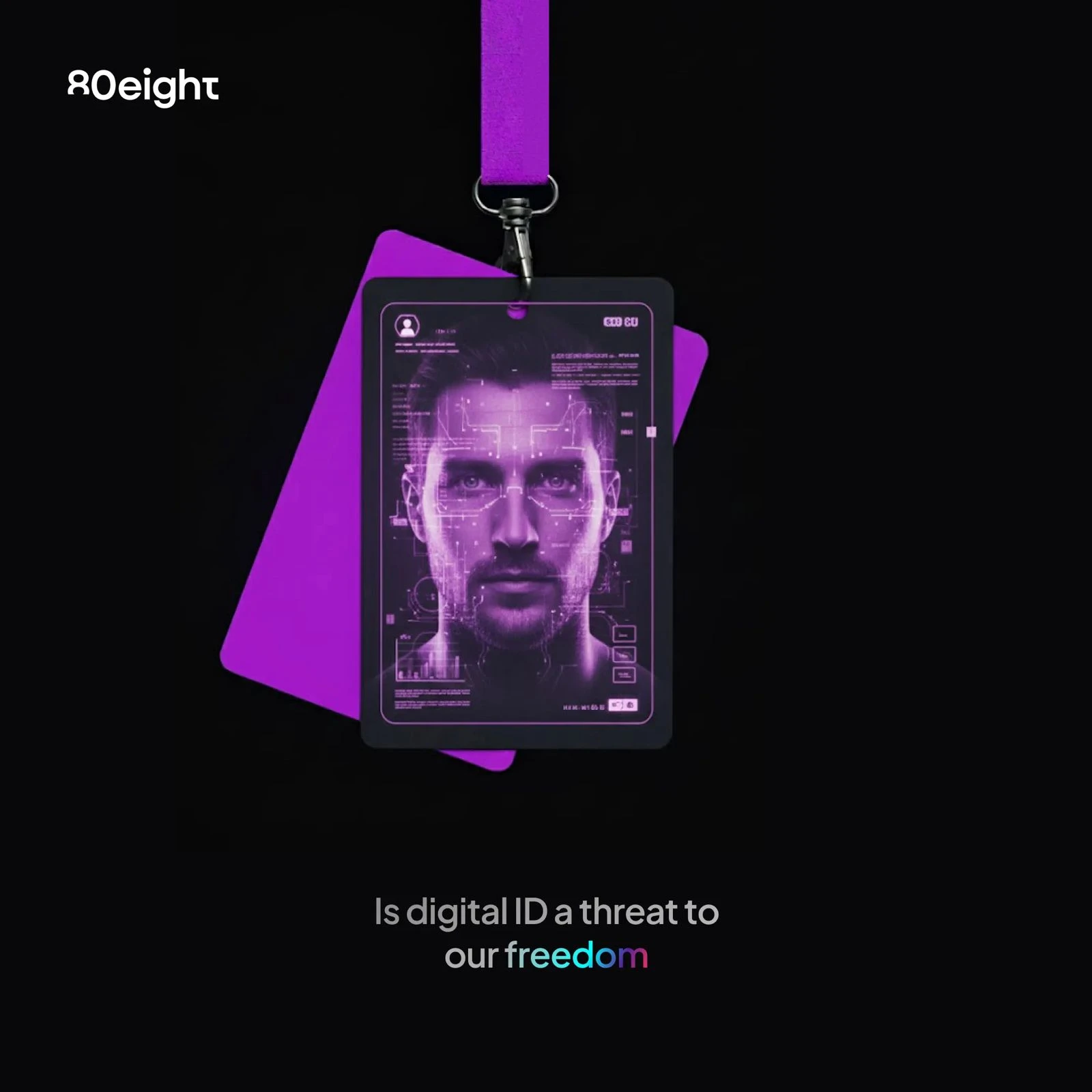
Digital ID is designed for secure identification and authentication in online or digital environments. It can be used for accessing e-government services, online banking, digital signatures, or verifying identity remotely without presenting a physical card.
People already use their cell phones for scanning airline tickets, digitising their credit cards, accessing bank accounts, and so much more.
We are already halfway there
As we have more surveillance cameras and AI to monitor not just our physical but or online movements, you could say we are already in the digital ID world. Prime Minister of the UK Keir Starmer recently said people won’t be able to work without a digital ID.
As investor Dog Casey points out: “In a dystopian science fiction book, ‘This Perfect Day,’ written in 1969, all citizens were required—for their own safety, of course—to flash their tattoos whenever they passed numerous identification kiosks. The government always knew where they were. The iPhone does that and acts as a listening device as well.”
Who gets the technology first
Technology has been both a friend and an enemy of the average person since Day One. The problem is that the "powers that be"—the State—always get the technology first. Gunpowder is a good example. First private citizens had it, usually the wealthy (who used to it to keep the plebs under control,) then the plebs got it and managed to keep their overlords under some sort of restraint. But then it got into the hands of government and was used to wage war.
It’s always reasonable to assume malignant forces in government are always lurking, always ready to seize some crisis as an opportunity to expand control over the masses.
The advantage of tech is that free beings are always a few steps ahead of those who would do then harm. What ultimately collapses tyranny and corrupt governments is currency debasement. They can no longer afford what they promise the voters.
Casey hints at what might happen in a future where super-control is the government mandate: currency debasement will cause the collapse of nation states which will diss9olve into smaller, more statelets; oppressive governments will be chased out; new methods of moving money will emerge, like bitcoin or digital gold (or the Islamic system of hawala); unregulated banks will arise with correspondents to issue letters of credit allowing you to travel freely without having to carry bags of gold; new forms of debt and credit cards to compete with Visa and Mastercard may also appear.
Preparing rather than fearing
Digital IDs are on their way, and with them Central Bank Digital Currencies, but we can retain self-sovereignty by accumulating wealth that is less likely to be debased (such as gold and bitcoin), having a second passport, and diversifying wealth across multiple friendly jurisdictions.
To keep everything in one country, you risk ending up like workers in Zimbabwe – your life’s savings destroyed by out-of-control inflation and rampant theft.
Don’t fear digital IDs. Prepare for them and know what to do when they arrive.