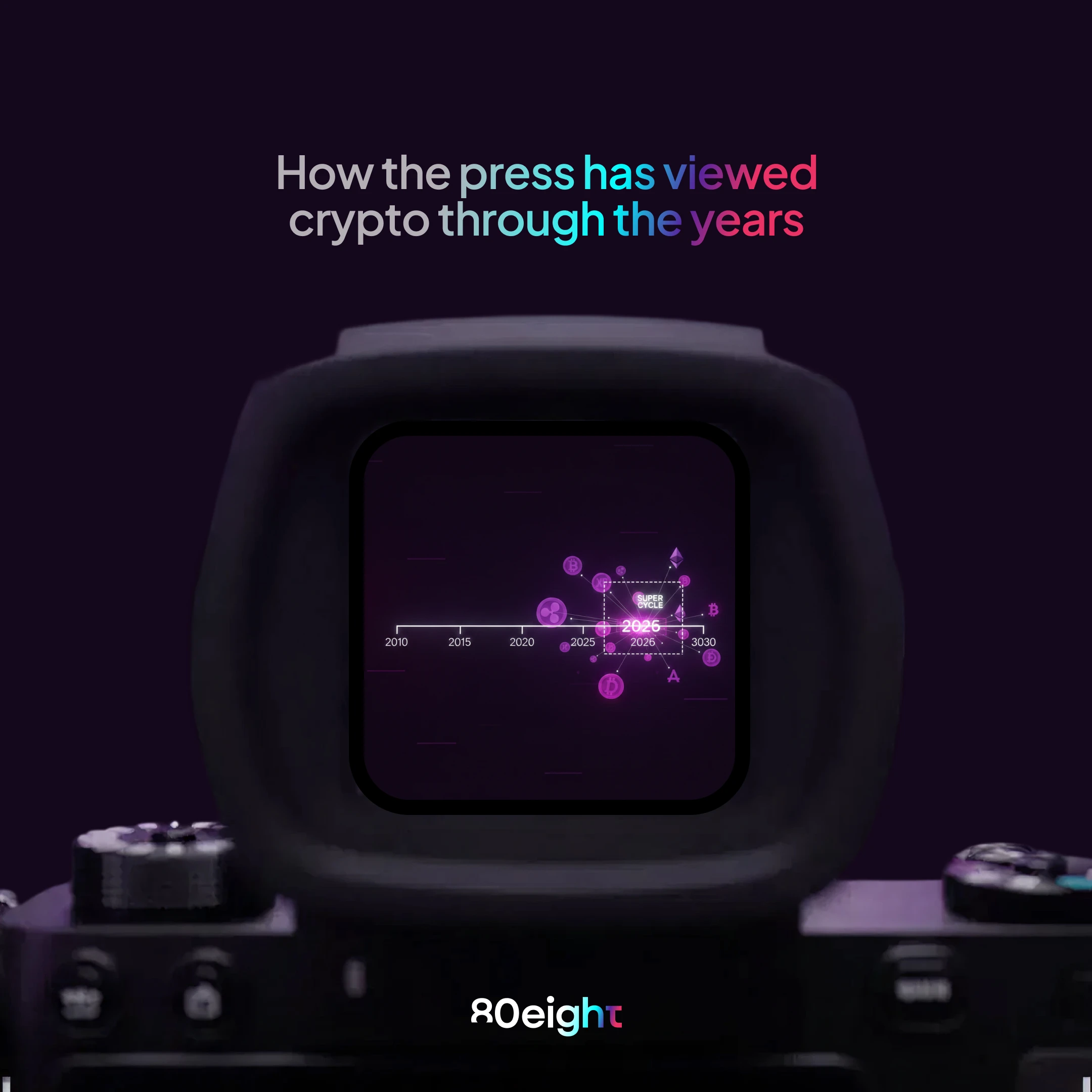
Reporting on cryptocurrency has undergone a profound transformation since Bitcoin's inception in 2009. In the early years (2009–2013), coverage was virtually non-existent in mainstream media.
2009-2013: a fringe experiment
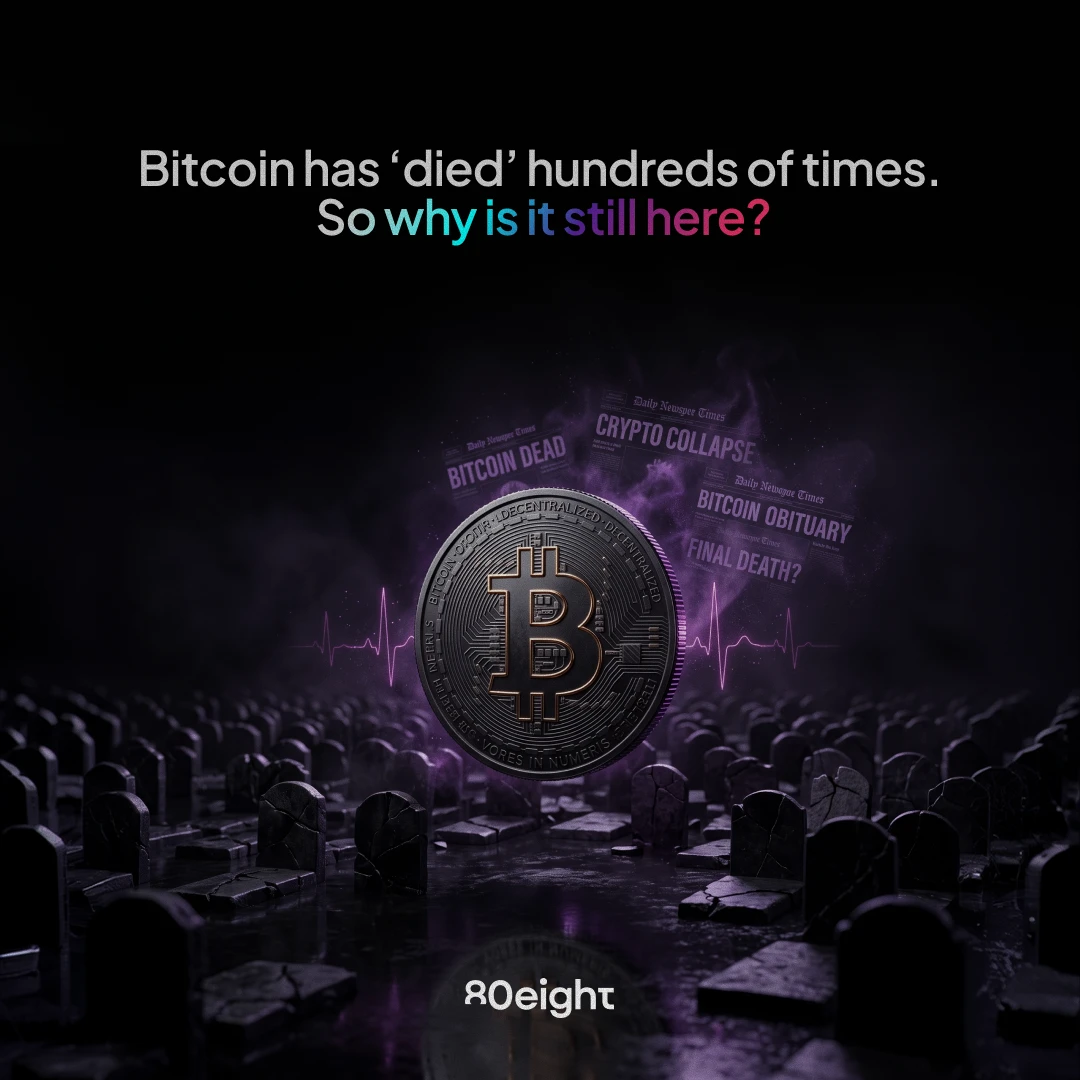
Bitcoin emerged as a niche experiment among cypherpunks and tech enthusiasts, with the first notable articles appearing around 2011. Outlets like Gawker sensationalised it as "magic internet money" tied to the Silk Road dark market, emphasising criminality, hacks such as Mt. Gox, and anonymity for illicit activities. Crypto was, in other words, associated with sleaze and, very often, crime.
Stories often portrayed crypto as a fringe Ponzi scheme or libertarian delusion, with limited understanding of the underlying blockchain technology.
2014-2017: hype arrives
By 2014–2017, as Bitcoin's price surged and altcoins proliferated, media attention exploded. The 2017 bull run brought hype-driven reporting: mainstream outlets like CNBC and Bloomberg fixated on price volatility, ICO (Initial Coin Offering) mania, and "get-rich-quick" narratives. Coverage peaked during Bitcoin's run to $20,000, blending excitement with warnings of bubbles.
Criminal associations persisted, but technology and investment angles gained traction. Specialised crypto media emerged to provide deeper analysis, filling gaps left by generalist journalists. The 2018–2021 crash and recovery shifted tones toward scrutiny.
After FTX: the critical turn
Post-FTX collapse in 2022, reporting became more critical, focusing on scams, regulatory failures, and environmental concerns. Mainstream media increased investigative pieces, holding figures accountable while debating crypto's legitimacy.
2025: coverage grows up
By 2025, crypto journalism has matured significantly. With institutional adoption (ETFs, corporate treasuries), pro-crypto policies under the Trump administration, and stablecoin integration into finance, coverage has gone mainstream. Outlets like Forbes, CNBC, and The New York Times dedicate sections to balanced reporting: exploring real-world utility (payments, DeFi, tokenisation), regulation, AI-blockchain intersections, and global adoption.
Today, the crypto story is more nuanced, balanced and focused on the user experience. Narratives now emphasise maturity over hype – politics, culture, and economics dominate, while early tech explanations wane.
Along with the better coverage of this new sector has come far wider adoption. More than 10% of South African adults now own some crypto. Stablecoin uses are multiplying by the month.
But it all started with Bitcoin 16 years ago. Better reporting has placed the crime aspects of crypto into context – far more crime involves crime and romance scams where victims are lured into transferring funds electronically to the scammer.