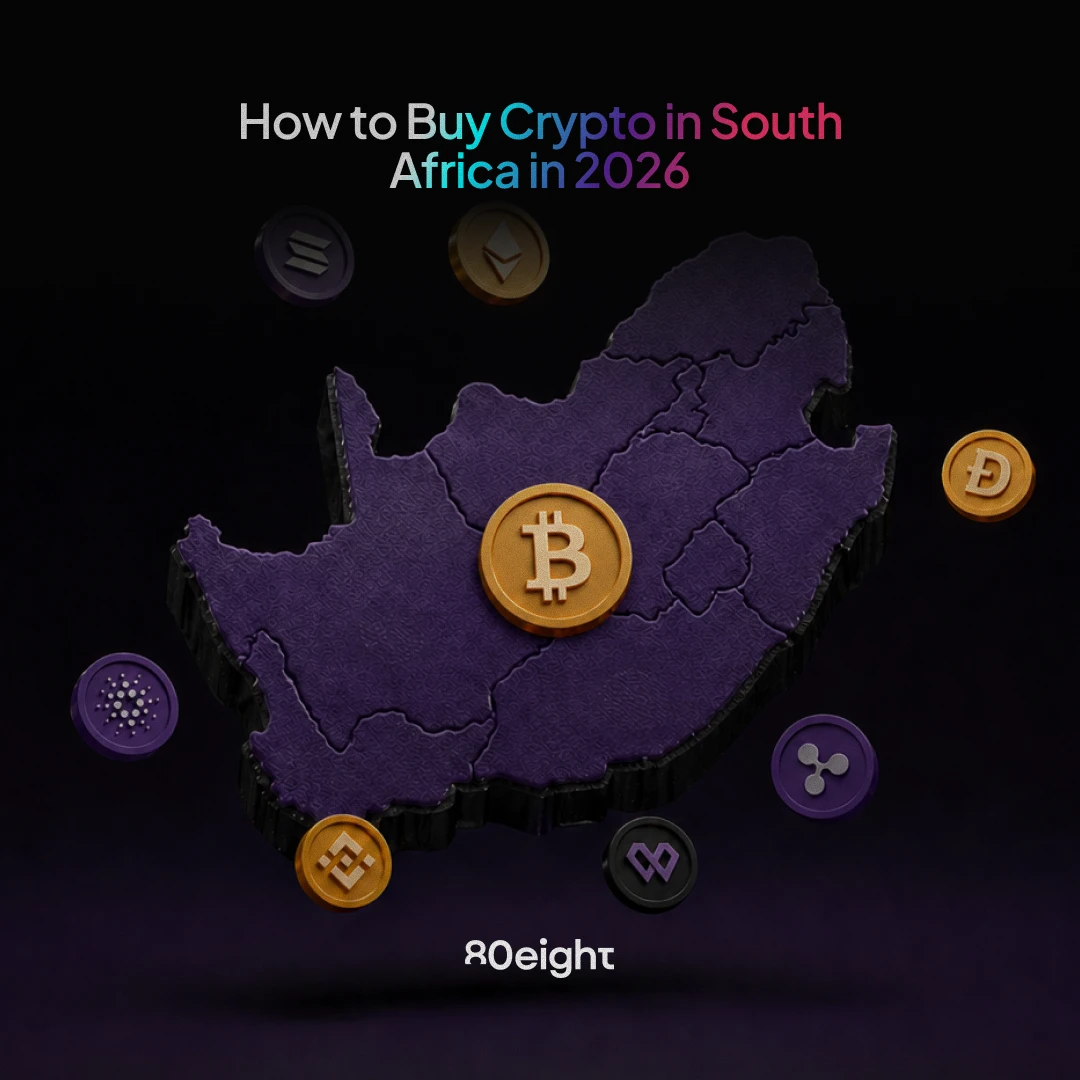
Want to buy crypto in South Africa? Here's exactly how to do it safely, legally, and without the confusion. A plain-language guide for 2026.
You've heard about Bitcoin. Maybe your friend bought some Ethereum. Maybe you've been watching the rand do what the rand does and started thinking there has to be another way to put your money to use.
You're not wrong to be curious. Buying crypto in South Africa is more accessible than many people realise. It's also more straightforward than it's often made out to be.
This guide cuts through the noise. By the end, you'll know exactly what you need to get started, what to watch out for, and how to make your first move with confidence.
Is Crypto Legal to Buy in South Africa?
Yes. Crypto is legal in South Africa. The South African Reserve Bank (SARB) and the Financial Sector Conduct Authority (FSCA) have been working to regulate the space, and crypto asset service providers are now required to be FSCA-authorised.
This is a positive development for buyers. It means platforms operating in South Africa need to meet compliance standards. As a buyer or holder, you're operating within the law. There's no restriction on South Africans buying, holding, or selling crypto assets.
Note: SARS (South African Revenue Service) treats crypto as an asset for tax purposes, not a currency. More on that below.
What Do You Need to Get Started?
Here's the short list:
- A South African ID or passport
- A bank account or debit card
- A registered crypto platform or digital wallet
- Your basic personal details for KYC (Know Your Customer) verification
KYC is the identity verification process every regulated crypto platform is required to complete. It usually takes a few minutes... you'll upload a photo of your ID and sometimes take a selfie. Once you're verified, you can deposit funds and start buying.
How to Buy Bitcoin and Other Crypto in SA: Step by Step
- Step 1: Choose a registered platform. Make sure the platform you use is FSCA-authorised. This is an important protection for you as a consumer.
- Step 2: Create your account. Sign up with your email and personal details. Most platforms take less than five minutes to set up.
- Step 3: Complete KYC verification. Upload your ID. This is required by regulation and helps keep the platform secure.
- Step 4: Deposit ZAR. You can fund your account via EFT or instant bank transfer. Most platforms accept both.
- Step 5: Buy your crypto. Choose the asset you want (Bitcoin, Ethereum, USDC, etc.), enter the amount in rands, and confirm.
- Step 6: Understand where it's stored. Some platforms hold crypto on your behalf (custodial). Others let you move it to your own wallet (non-custodial). Know the difference before you start.
How Much Do You Need to Start?
Less than you might think. You don't need R10,000 to buy Bitcoin. Many platforms allow you to start with R100 or less.
Bitcoin is divisible, the smallest unit is called a satoshi. One Bitcoin is made up of 100 million satoshis. So when people say Bitcoin is expensive, they mean one whole coin is expensive. You're not required to buy whole coins; you can buy a fraction.
A sensible starting point is to only invest an amount you are prepared to lose, as crypto assets can and do lose value. Build your understanding before you build your position. Crypto assets carry risk, and past performance is not a reliable guide to future results.
What Are the Fees to Know About?
Different platforms charge differently. Here's what to look for:
- Trading fees: A percentage charged when you buy or sell. This varies by platform, check the fee schedule before you transact.
- Deposit fees: Some platforms charge to accept EFT. Others don't. Check before you fund.
- Withdrawal fees: If you move crypto off the platform to your own wallet, there's usually a network fee. This varies by asset and network conditions.
- FX spread: If you're buying USDC or another USD-denominated asset, there's an exchange rate baked in. Compare this across platforms.
The point isn't to find zero-fee options everywhere. It's to understand what you're paying so you can make informed decisions.
What About Crypto Tax in South Africa?
SARS requires crypto to be disclosed on your tax return. It's treated as a capital asset, which means gains may be taxable. If you hold for the long term, gains may be treated as a capital gain. If you're actively trading, profits are likely treated as income.
Keep records of every transaction - buy, sell, and swap. Most platforms let you export your transaction history. Do this regularly.
If you're unsure about your specific tax situation, speak to a registered tax professional. The rules around crypto tax in South Africa are becoming clearer, but they can be nuanced depending on your circumstances.
The Bottom Line
Buying crypto in South Africa doesn't need to be complicated. Get verified on a regulated platform, start small, understand what you're paying in fees, and keep your records clean.
As with any asset class, there are risks involved. Make sure you understand what you're buying and why, and only invest what you can afford to lose.
Start small. Move smart.
Crypto assets are subject to market risk. The value of your investment can go down as well as up. This content is educational and does not constitute financial advice. Speak to a qualified financial adviser before making investment decisions.