Many younger people complain that they simply don’t have enough to save.
What the savings data shows
The Old Mutual Savings & Investment Monitor 2026 found 91% of Gen Z South Africans have savings goals but their savings habits are slipping because they cannot afford it.
Roughly two-thirds of Gen Z don’t have enough to cover three months of expenses.
Something is wrong with this picture. The solution most often cited is to find additional income – yes, that’s good, but what happens when income increases – so do expenses.
Spend less than you earn
Here’s a rule to remember: people will always spend more than they earn, and then try to spend more.
It’s time to reverse this: Spend less than you earn, and then spend even less. The result? More savings.
Three ways to get there
Here’s three ways you can get there:
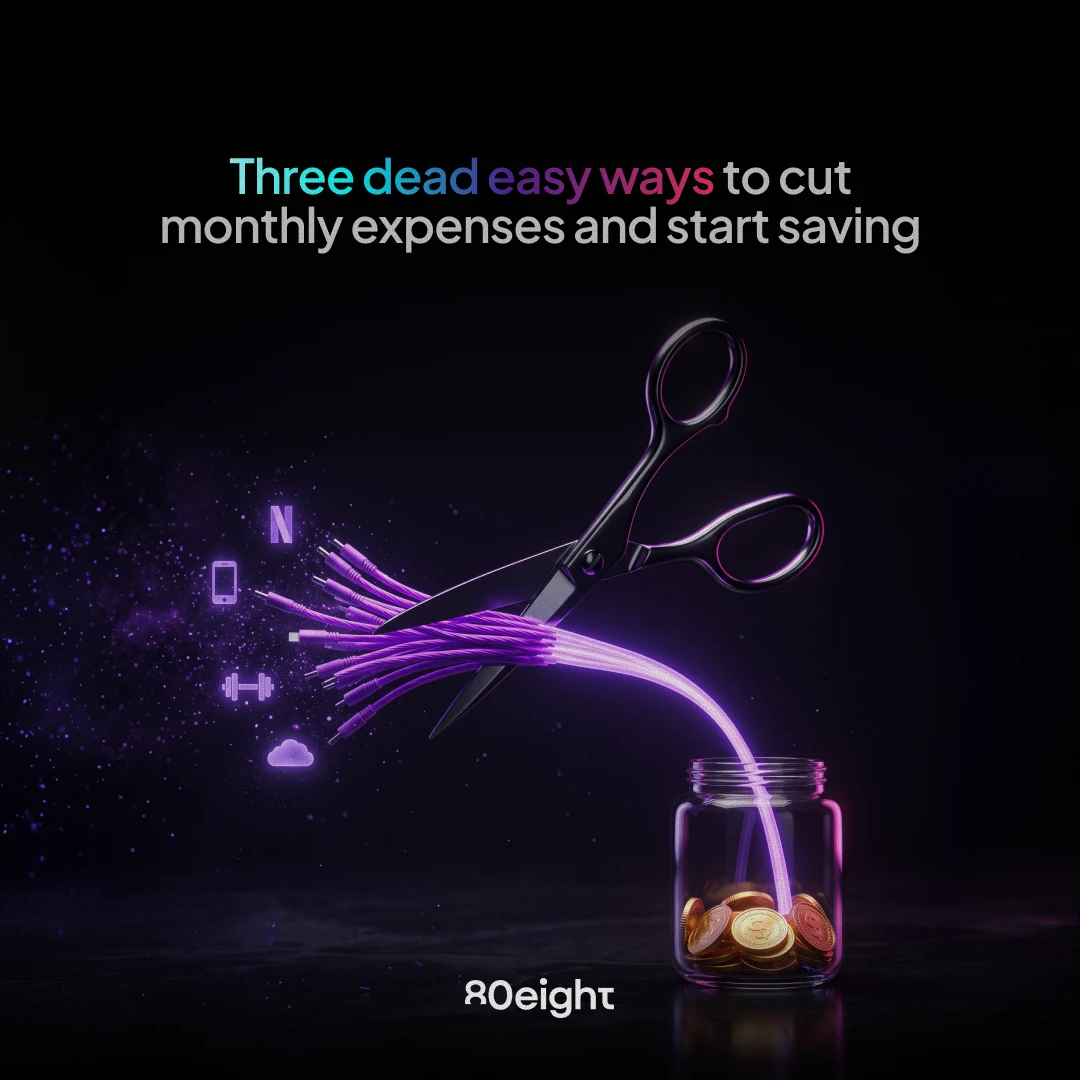
Review your fixed monthly costs. These are the expenses that leave your account automatically, such as insurance, mobile contracts, streaming services, gym memberships and bank charges. Because they are paid quietly in the background, they are easy to ignore. Cancel subscriptions you no longer use, move to a cheaper mobile or internet package and ask insurers to review your premiums. Even a saving of R300 or R500 a month can become meaningful over a year.
Reduce the cost of debt. Credit cards, personal loans and store accounts can absorb a large portion of monthly income, especially when interest rates are high. Start by paying extra into the most expensive debt while maintaining minimum payments on the rest. Once that debt is settled, redirect the same payment towards the next one. This approach gradually frees up cash flow and reduces the amount lost to interest. Avoid using available credit simply because a balance has been repaid.
Automate saving before you have a chance to spend the money. Set up a debit order that transfers a fixed amount into a savings or investment account immediately after payday. The amount does not have to be large. Starting with R250 or R500 a month is better than waiting until you can afford more. Increase the amount whenever you receive a salary increase, bonus or tax refund.
Treat saving as an expense
The key is to treat saving as a monthly expense rather than something you do with whatever is left over. In most households, there is rarely much left over.
Cutting costs alone will not create wealth, but it creates the breathing room needed to build an emergency fund, reduce dependence on debt and begin investing. Small, consistent changes are more sustainable than extreme budgeting and can have a surprisingly large impact over time.