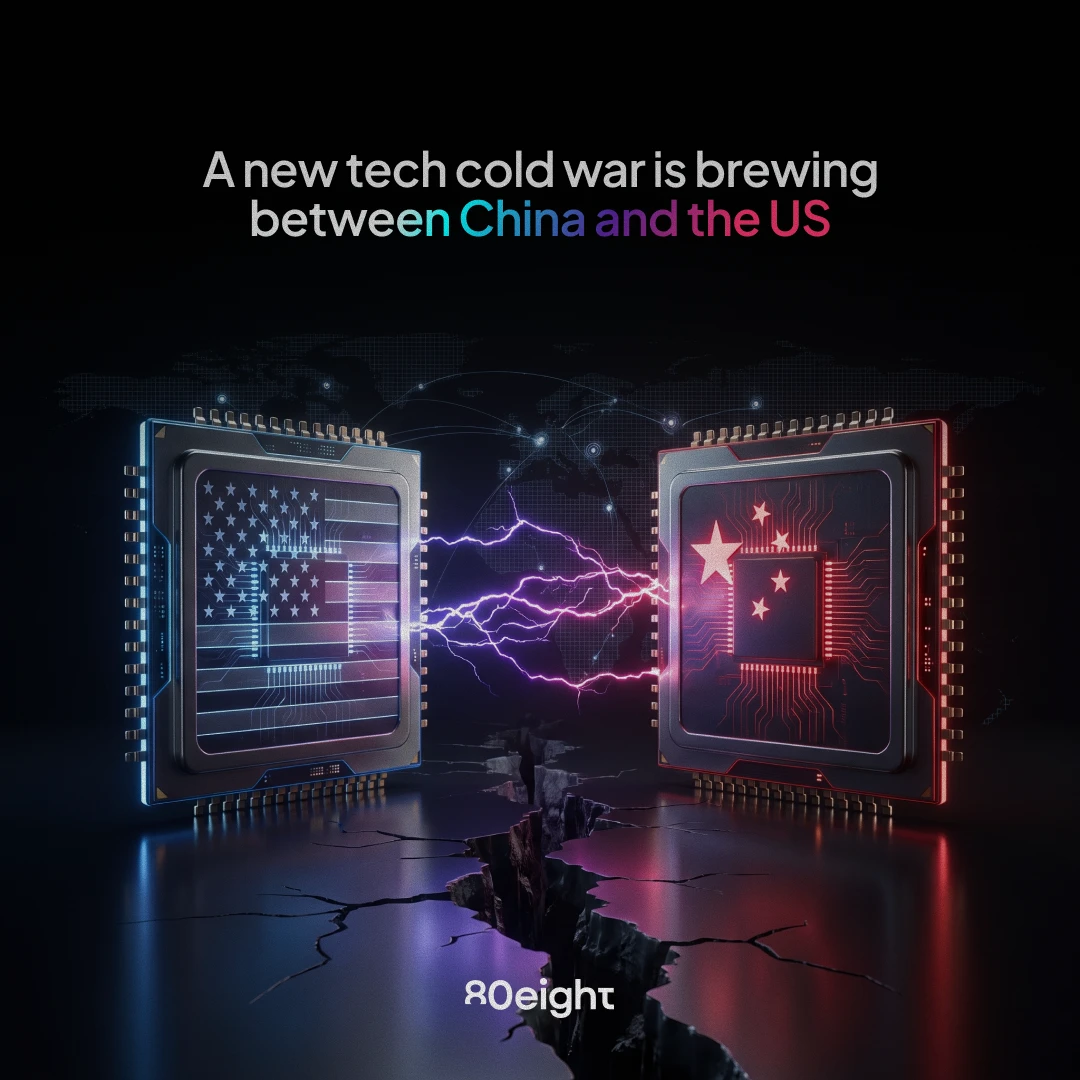
The US leads in the AI race, but for how long? China is catching up fast on the US with some astonishing leaps in AI functionality and speed with the likes of DeepSeek and Qwen.
Open source versus closed source
China has bet big on open source AI Large Language Models (LLMs) while the US is investing massively in closed source (where the source code is kept secret, as in the case of Windows, iOS, GPT-4o, Claude).
The difference here is important: open source codes are available to anyone to see, use, modify and improve.
The advantage of closed source is that it’s easier to control intellectual property and quality, but is less transparent and history shows they are slower to innovate.
Why China's models move fast
China’s open source models are progressing at a blistering pace due in part to less regulatory oversight than in the US, but primarily because thousands of developers worldwide can experiment with and improve them.
One of the big advantages of open source is that run it locally on a decent GPU, giving you fast, always-available access with no internet required after download.
Closed source systems are sluggish during peak times and are restricted in certain countries.
The consequences
The consequences of this new tech cold war are massive:
The US has imposed strict export controls on advanced AI chips to slow China’s progress. China is responding with heavy investment in self-reliance. Both countries are competing aggressively for AI talent – in large measure because AI will play such an important role future warfare. It’s a sad commentary on our age that AI would become an instrument of war, but here we are.
Chinese companies like Baidu, Alibaba, Tencent and ByteDance are able to roll out AI applications rapidly due to fewer regulatory hurdles. Despite US export controls, China is investing heavily in domestic chip development through companies like Huawei and SMIC.
The US maintains a clear lead in foundational models and cutting-edge research, but China is closing the gap in application deployment and da ta scale. Analysts estimate the US is 12–18 months ahead in most areas, but China is moving faster in certain applications such as facial recognition and smart cities.
The competition is getting hot, with both countries pouring hundreds of billions into AI over the coming decade. The outcome could determine which nation leads the world in technology, economic power and military capability for the next generation.