Anyone watching the World Cup will notice the outsized presence of sports betting advertisers like Betway and Hollywoodbets on DStv.
In amongst all this we have soccer legends like Michael Owen and Thierry Henri advocating for responsible gambling on behalf of the big gaming operators. This is perhaps a clever way to demonstrate social responsibility while also – in an oblique way – encouraging people to do the very thing they are being told to do responsibly – gamble.
The numbers behind the advertising
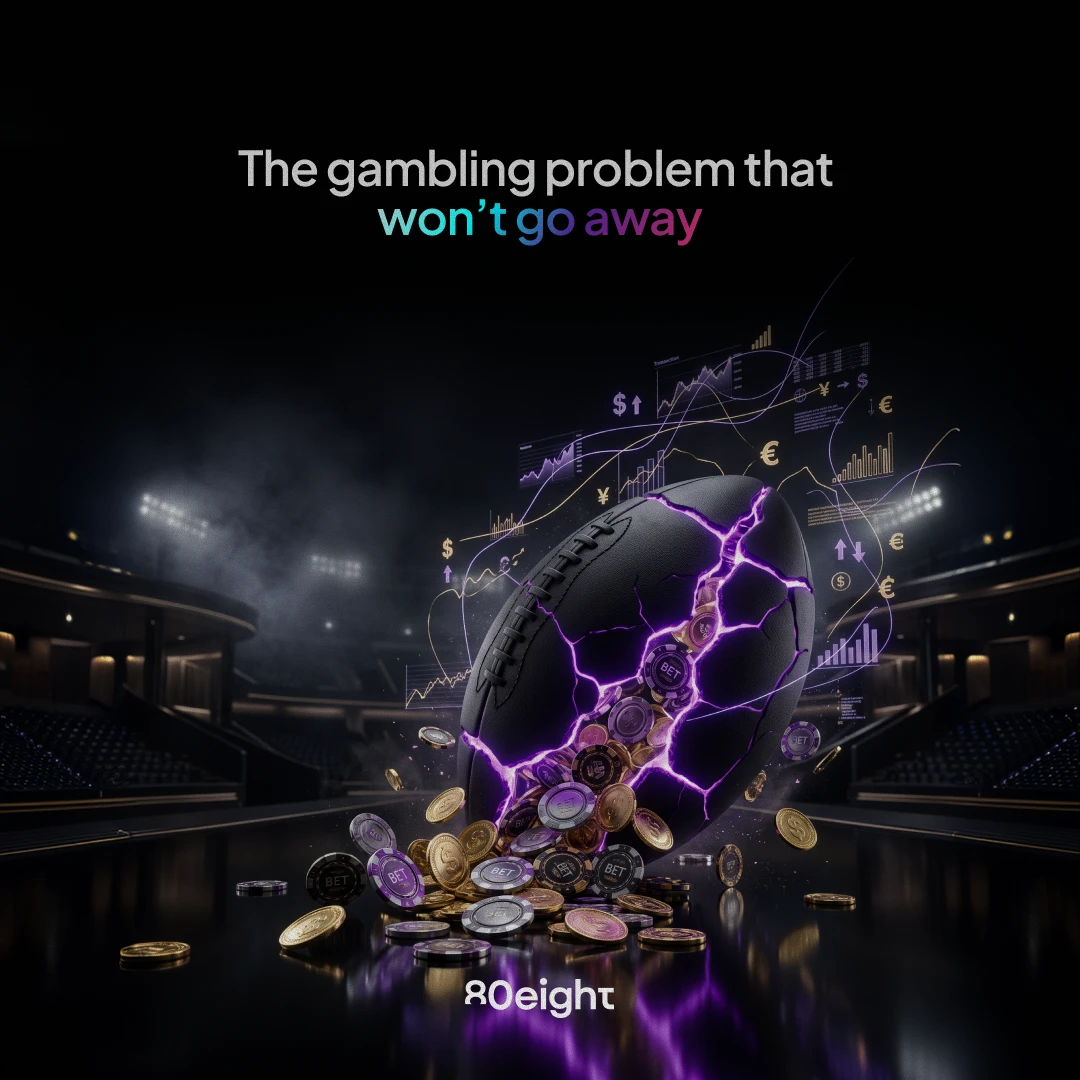
The gambling stats in South Africa are truly frightening. The gaming operators are coining nearly R60 billion a year in gross gaming revenue from bets totalling R1.7 trillion. Most of this revenue is paid back in winnings, but let’s not lose sight of the fact that South Africans are prepared to wager this amount.
This is not counting the illegal operators – offshore, unlicensed websites targeting South Africans.
The illegal operators
According to a 2024 Yield Sec report commissioned by the South African Bookmakers Association (SABA), illegal operators account for approximately 62% of all online gambling activity in South Africa, diverting more than R50 billion in gross gambling revenue offshore annually. An estimated 16 million South Africans have engaged with these illegal platforms in the past year.
Licensed operators have gone to war with the unlicensed operators claiming – correctly – that they contribute nothing to SA in the form of tax or social betterment.
That’s true, but it’s also self-serving. Licensed operators in SA are trying to capture a bigger share of this massive and growing market. The public outcry about illegal operators is starting to show up in the figures – what they call ‘rechannelisation’ of offshore gross gaming revenue from offshore to onshore operators.
What the regulator is doing
The war is just getting started. The National Gambling Board (NGB) has issued a tender for a service provider to monitor, block, track, and report illegal online gambling websites targeting South Africans, marking a significant escalation in the fight against unregulated offshore operators.
SABA has proposed six key interventions to tackle illegal online gambling, including legislative amendments to the National Gambling Act and the Electronic Communications Act to provide clear authority for website blocking, payment disruption, advertising restrictions, and stronger enforcement against local facilitators. This has been done with considerable success in countries like Australia.
The Internet Service Providers’ Association (ISPA) has also engaged on the issue. In its position paper, ISPA acknowledged the need to combat illegal gambling but stressed the importance of a transparent, judicially overseen framework to avoid over-blocking and protect freedom of expression.
The website-blocking problem
But as some have rightly noted, once you start blocking websites to protect against public scourges like online gambling, you can expect other indignant groups to start demanding the same rights. We may be a small step away from banning so-called “right wing” groups from expressing themselves online, as has happened in Germany. Or posting your opinions on Gaza (which has earned several British citizens enemy of the state status in the UK).
This is why the law must be clearly stated so as to protect speech and not creep into totalitarianism.
As for gambling, it is a national crisis and stats show poor people are blowing their social and student grants on bets. Taxpayers are right to protest that abuse, and will demand that sites be blocked and payments be disrupted. But let’s not fool ourselves into thinking it is just a problem of illegal gambling. It is a gambling problem – period.